Protein Distribution: Why When You Eat Protein Matters as Much as How Much
The Protein Problem Most People Don’t Realize
Many people focus on hitting a daily protein target but overlook an equally important factor: how protein is distributed throughout the day.
Consuming most of your protein at dinner — a common pattern in Western diets — may limit your body’s ability to fully stimulate muscle repair and growth.
Emerging research suggests that spreading protein intake across meals optimizes muscle protein synthesis, improves satiety, and supports fat loss.
Understanding Muscle Protein Synthesis
Muscle tissue is constantly undergoing a process known as protein turnover, where old proteins are broken down and new ones are built.
This process is regulated by muscle protein synthesis (MPS).
Resistance training stimulates MPS, but protein intake is required to maximize the response.
Studies show that consuming approximately 20–40 grams of high-quality protein per meal effectively stimulates muscle protein synthesis (Moore et al., 2009).
However, this response occurs in waves and returns to baseline within a few hours.
This means that spacing protein intake throughout the day can repeatedly stimulate the process.

The Research on Protein Distribution
Research published in The Journal of Nutrition found that individuals who evenly distributed protein across breakfast, lunch, and dinner experienced greater muscle protein synthesis over a 24-hour period compared to those who consumed most of their protein in one meal (Mamerow et al., 2014).
For example:
Uneven Distribution
Breakfast: 10g
Lunch: 20g
Dinner: 80g
Even Distribution
Breakfast: 30g
Lunch: 30g
Dinner: 30g
The second approach produced significantly greater anabolic response.
Why Protein Distribution Matters for Fat Loss
Protein plays a critical role in weight management through several mechanisms:
Increased Satiety
Protein increases feelings of fullness by influencing hormones such as GLP-1 and peptide YY, which regulate appetite.
Thermic Effect of Food
Protein has the highest thermic effect of any macronutrient, meaning the body burns more calories digesting it.
Muscle Preservation
Maintaining lean muscle mass during a calorie deficit helps preserve metabolic rate and improves body composition.
Practical Protein Guidelines
For most active individuals, the following structure works well:
Daily Intake:
0.7–1.0 grams of protein per pound of body weight
Meal Distribution:
3–4 meals per day
Per Meal Target:
25–40 grams of protein
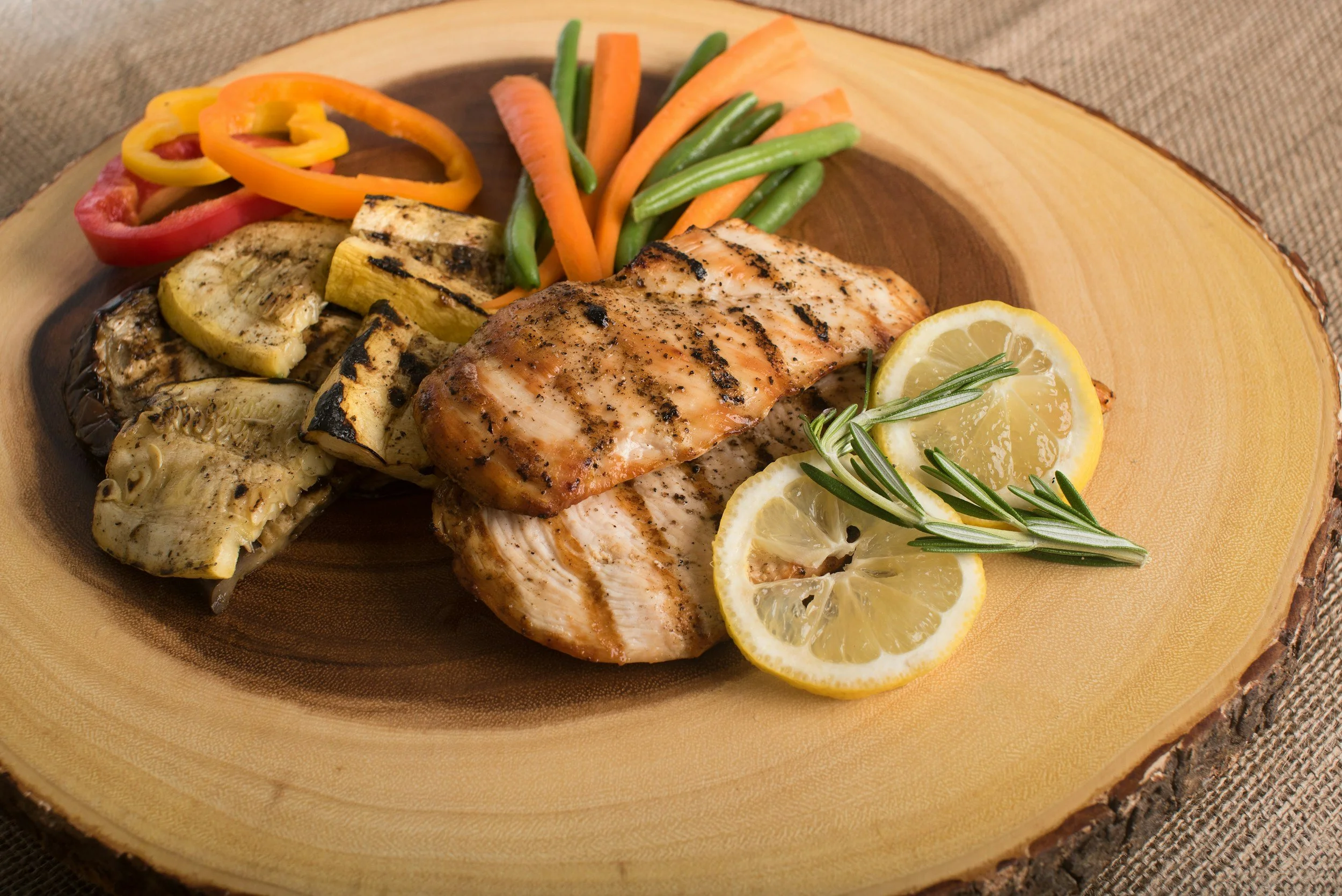
Examples of High-Quality Protein Sources
Chicken breast
Salmon
Eggs
Greek yogurt
Lean beef
Cottage cheese
Whey or plant-based protein powder
Tofu and tempeh
Combining protein with fiber-rich carbohydrates and healthy fats helps stabilize blood sugar and support sustained energy.
Final Thoughts
Optimizing protein intake is not just about the total amount consumed each day. The timing and distribution of protein intake can significantly influence muscle maintenance, recovery, and fat loss.
Small adjustments in how protein is structured across meals can lead to meaningful improvements in training outcomes and long-term health.
For individuals looking to improve body composition, the goal should be simple:
Eat enough protein — and spread it across the day.
Consistency in these small nutritional habits compounds over time to produce lasting results.