More Than Just "Gains": Why Your Skeletal Muscles Are the Body's True Powerhouse
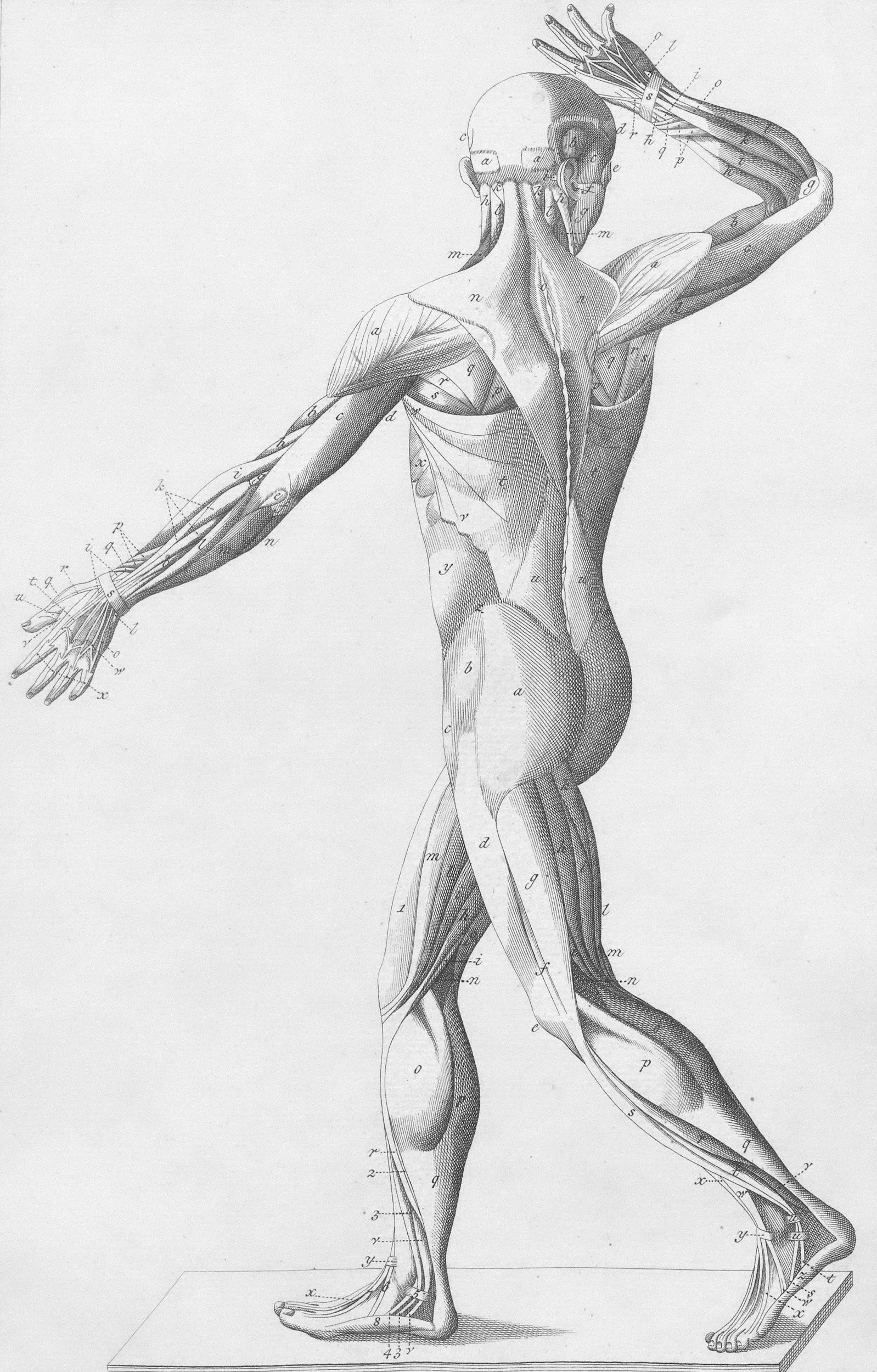
When we think of skeletal muscles, we often picture bicep curls at the gym or athletes on a track. But from a biological standpoint, your skeletal muscles are far more than just "engines" for movement. They are complex, endocrine-active organs that serve as the foundation for your metabolic health, structural integrity, and even your body's internal temperature control.
The Engine of Movement: Voluntary Control
Skeletal muscle is the only muscle type in the human body under voluntary control. This is made possible through the somatic nervous system. When you decide to walk, type, or lift a glass of water, your brain sends electrical impulses through motor neurons to the neuromuscular junction.
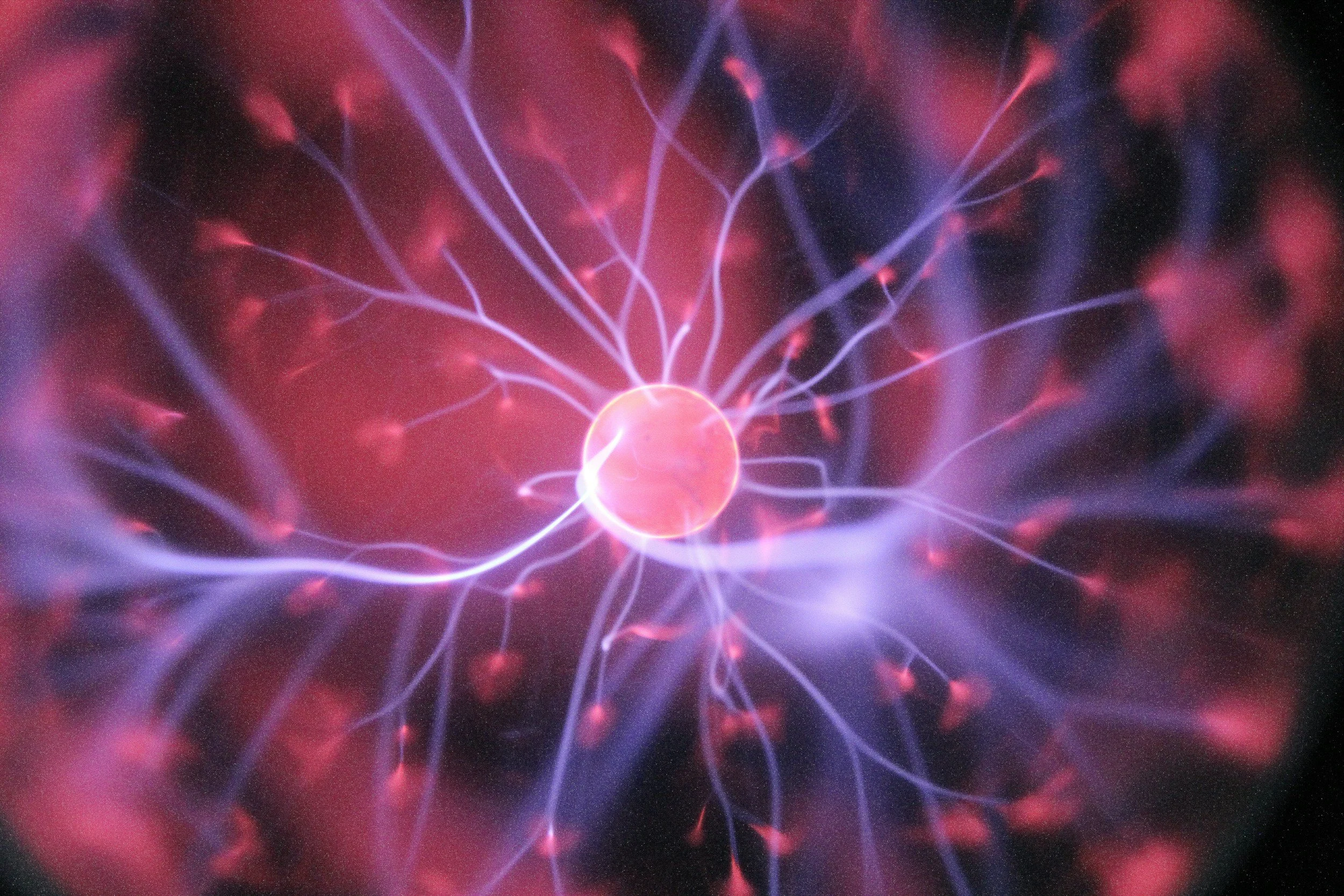
This interaction triggers the "Sliding Filament Theory." Inside each muscle fiber, two primary proteins—actin and myosin—slide past one another. Using Adenosine Triphosphate (ATP) as fuel, these proteins ratchet together to shorten the muscle fiber, creating a contraction.
The Physics of You: Muscles can only pull, they cannot push. This is why they work in antagonistic pairs—like your biceps and triceps—to move limbs in opposite directions.
The Body’s Largest Metabolic Sink
Perhaps the most underrated role of skeletal muscle is its impact on metabolism.
Glucose Regulation: Skeletal muscle is responsible for clearing roughly 80% of post-meal glucose from the bloodstream. By acting as a massive storage site for glycogen, your muscles help prevent the blood sugar spikes that lead to Type 2 diabetes.
Basal Metabolic Rate (BMR): Muscle tissue is more "metabolically expensive" than fat. Even at rest, muscle fibers require more energy to maintain. Increasing your muscle mass effectively raises your daily caloric "burn," making it easier to manage weight.
Protection and Structural Integrity
Think of your skeletal muscles as a living suit of armor.
Joint Stability: Muscles like the rotator cuff in your shoulder or the quadriceps around your knee keep your joints aligned. Without strong muscles to absorb the shock of impact, that force is transferred directly to your bones and cartilage, leading to injury.
Postural Support: While you aren't thinking about it, "tonic" contractions in your core and back muscles are constantly fighting gravity to keep you upright.
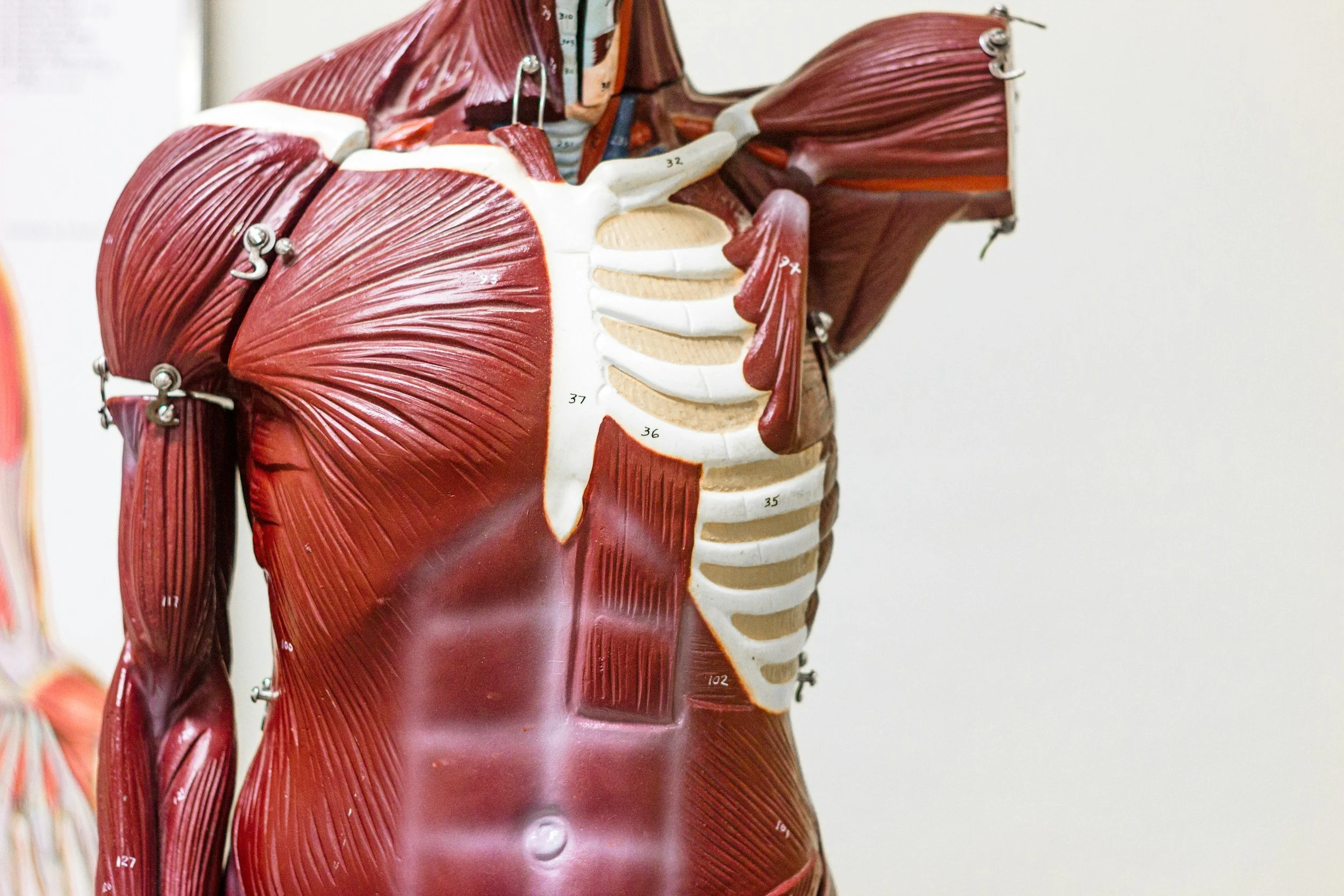
Organ Shielding: Deep abdominal muscles provide a flexible but sturdy wall of protection for your internal organs, which lack the bony cage provided by the ribs.
Thermoregulation: The Internal Heater
When your core temperature drops, your brain sends rapid-fire signals to your skeletal muscles to contract involuntarily. We call this shivering.
These rapid contractions are highly inefficient by design—meaning they release a significant amount of energy as heat. This is a primary survival mechanism that allows the body to maintain its optimal internal temperature of approximately 37°C (98.6°F) in cold environments.
The "Secret" Endocrine Organ
Modern science has revealed that skeletal muscles act like a pharmacy. When muscles contract, they release signaling molecules called myokines.
These myokines travel through the bloodstream and communicate with other organs, including the brain, liver, and fat tissue. They help:
Reduce systemic inflammation.
Improve cognitive function (BDNF—Brain-Derived Neurotrophic Factor).
Enhance fat oxidation.
Summary
Your skeletal muscles are the primary interface between your will and the physical world. By maintaining muscle mass through resistance training and proper nutrition, you aren't just "looking fit"—you are optimizing your blood sugar, protecting your joints, and keeping your body’s internal communication lines open.
The take-home message: Use them or lose them. Muscle atrophy (sarcopenia) isn't just about weakness; it’s a decline in the body’s overall ability to regulate itself.